Expert Dryer Repair Tips: How to Troubleshoot Common Dryer Problems
At Certified Appliance Technician, located at 279A Roncesvalles Ave, Toronto, ON M6R 2M3, we understand how disruptive a malfunctioning dryer can be. It’s more than just an inconvenience—it can hamper your routine, damage clothes and even pose safety risks. Whether your dryer isn’t heating, takes too long to dry, or makes unusual noises, knowing what to look for can save you time, money and stress.
Here are a few quick-take bullet points to use as a guide:
Dryer spins but won’t heat – Could be airflow blockage, heating element failure or electrical issue.
Loud or unusual noises – Thumps, squeals or clanks often signal worn rollers, bearings or drive components.
Avoid DIY on electric/gas dryers – High voltage and gas connections make these appliances dangerous to handle without experience.
Preventive maintenance matters – Regularly clean lint traps and venting, avoid over-loading and schedule professional check-ups.
Call a professional when needed – Damp clothes after a full cycle, weird smells, smoke, or erratic operation are red flags.
Expert Dryer Repair Tips at a Glance
At Certified Appliance Technician in Toronto, we know how frustrating a malfunctioning dryer can be. Whether it’s not heating, making loud noises, or taking too long to dry, a few simple checks can often help you understand what’s going wrong before calling for professional help.
Keeping your dryer in top shape doesn’t have to be complicated. With regular maintenance and timely professional care from Certified Appliance Technician at 279A Roncesvalles Ave, Toronto, you can enjoy faster drying times, safer operation, and longer appliance life.
Common Reasons Your Dryer Isn’t Drying
One of the most frequent complaints: the drum spins but the clothes come out damp, cold or barely warm. Here are the common causes and how to investigate:
• Clogged lint trap or vent path
Start with the lint filter – remove and clean it after every load. A small amount of buildup may already reduce airflow significantly. Beyond the lint trap, examine the vent hose behind the dryer and the exterior vent. A blocked vent path is a top cause of poor drying and a serious fire hazard.
• Internal component failures
If the airflow path is clear and the dryer still isn’t drying, the fault often lies inside. Key culprits include:
Heating element (if electric) or burner (if gas) – if this fails the drum will tumble but no hot air is produced.
Thermostats – cycling and high-limit thermostats regulate heat; failure may shut the heat off prematurely or prevent it entirely.
Timer or control board – acts as the “brain” of the unit; a malfunction may prevent heat from being triggered.
Moisture sensor – many modern dryers use a dampness sensor; if dirty (dryer-sheet residue) or defective, it may cause early cycle termination.
Power supply (electric dryer) – electric dryers require a 240 V circuit. If one half of the circuit trips you may get drum rotation (120 V) but no heating.
These faults require experience with dryer components, proper diagnostic tools and caution. Attempting to swap parts without accurate diagnosis may waste money and time.
Decoding Loud Dryer Noises
If your dryer heats fine but makes a thumping, rumbling, squealing or clanking noise, treat it as a warning sign. Here’s what those sounds typically mean:
Jingling or clanking: Small metal objects (coins, keys, pens) left in pockets may create noise. Always check pockets before loading.
Thumping or rumbling: Usually a worn-out drum roller. The drum ‘rides’ on small wheels; if they become flat-spotted the drum may hit unevenly every revolution.
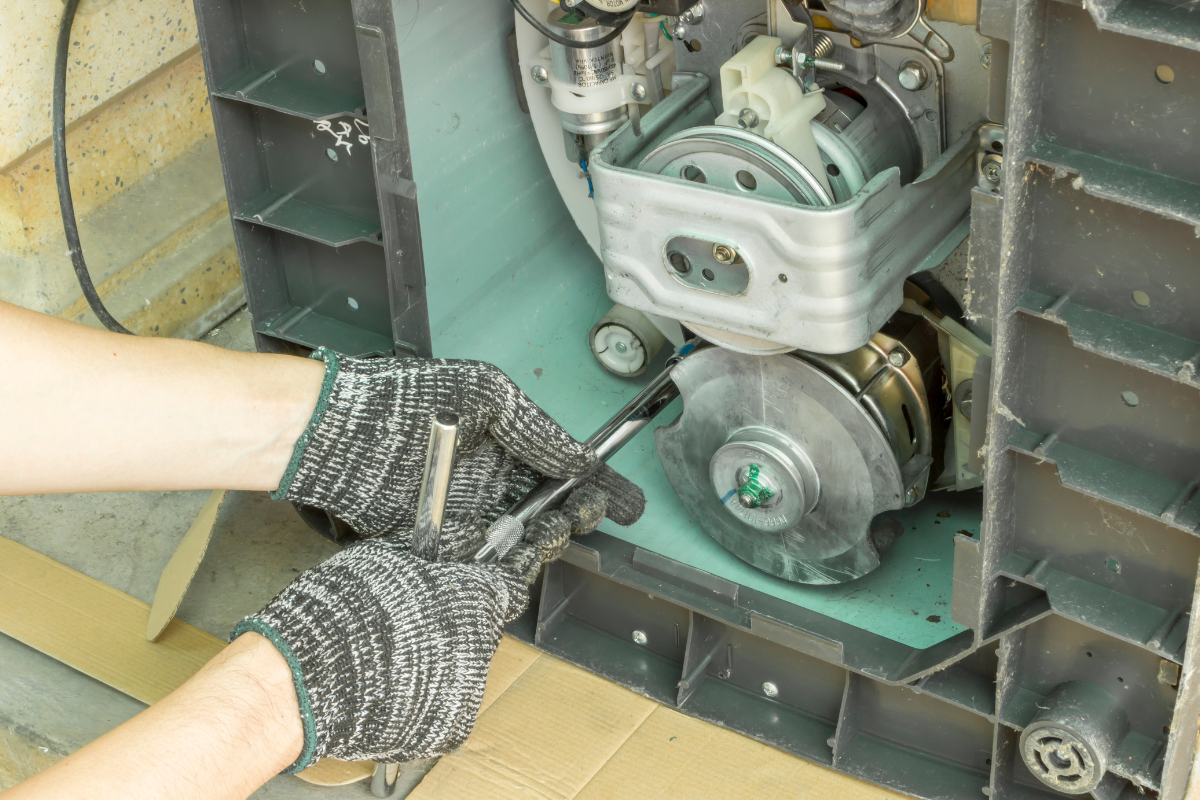
Squealing or grinding: Serious issue. Often due to a worn drum bearing (rear of drum) or a failing idler pulley (spring-loaded wheel tensioning drive belt). If ignored, motor and belt damage may follow.
The longer a noisy dryer runs, the more likely secondary damage (motor strain, belt failure) will occur. If you hear persistent or worsening noises, it’s time to call a professional.
Can You Attempt DIY Dryer Repair?
With so many online tutorials, the temptation to DIY is strong—but when it comes to electric and gas dryers, risks are real.
• Electric dryer hazards
Electric dryers operate on a 240-volt circuit—double the voltage of standard household outlets. Mistakes in wiring or component replacement can lead to severe shock, fires or irreparable damage.
• Gas dryer hazards
Gas dryers involve live gas lines. Incorrectly disconnecting or reconnecting fittings may create a gas leak—leading to fire or explosion risk.
• Misdiagnosis risks
Even if you safely open the dryer, identifying the root cause takes experience, diagnostic tools and knowledge of how dryer systems interrelate. Replacing the wrong part wastes time and money and may still leave the dryer non-functional.
For safe, reliable results—and to protect your warranty or insurance—consult a qualified technician rather than relying solely on DIY.
The Certified Appliance Technician Difference
When you enlist the help of Certified Appliance Technician at 279A Roncesvalles Ave, Toronto, ON M6R 2M3, you benefit from a professional team dedicated to dryer repair excellence. Here’s what sets us apart:
Accurate diagnosis: We use specialized tools to pinpoint the exact cause—no guesswork.
Convenient scheduling: We respect your time and provide efficient service appointments.
Transparent pricing: You get upfront pricing before any work begins—no hidden fees.
Quality workmanship: Repairs are backed by warranty and done right the first time.
Full-service support: From lint-vent cleaning to complex heat-system repair, we handle all major brands and gas or electric units.
Your laundry room deserves reliability and safety—let us help restore it.
Top Expert Dryer Repair Tips for Maintenance
Prevention and early action are your best defences. Here are our maintenance tips:
Clean the lint trap after every cycle.
Check the exterior vent and vent hose annually for blockages like lint buildup or bird nests.
Avoid overloading the dryer—the heavier the load the longer it takes and the more stress on components.
Wipe moisture sensors periodically to remove residue from dryer sheets or fabric softener (which can interfere with sensor accuracy).
Schedule an annual inspection with a qualified technician. Catching small issues early prevents major failures, reduces energy use and extends dryer lifespan.
When You Should Call a Professional Dryer Repair Service
Some issues simply require professional attention—don’t delay. Contact us if:
Clothes remain damp or cold after a full cycle.
Dryer won’t start, stops mid-cycle or displays error codes.
You hear persistent grinding, squealing, thumping or unusual metal-on-metal noises.
There’s a burning smell, visible smoke or soot near the dryer.
The drum doesn’t rotate smoothly or appears off-center.
The control panel, timer or cycle settings malfunction or fail to respond.
These symptoms suggest underlying issues that extend beyond simple user maintenance.
Final Thoughts
Dryer problems can disrupt daily routines and incur unnecessary cost—but they don’t have to. By following these expert dryer repair tips and leveraging the capabilities of Certified Appliance Technician, you can:
Troubleshoot minor issues safely.
Maintain your appliance for longevity and efficiency.
Identify when professional help is really needed.
Most importantly—never attempt high-voltage electrical or gas-line repairs yourself. Safety always comes first. When in doubt, contact us at 279A Roncesvalles Ave, Toronto, ON M6R 2M3 for reliable, professional dryer repair service. Let us get your laundry room back to smooth, safe operation so you can get on with your day.